

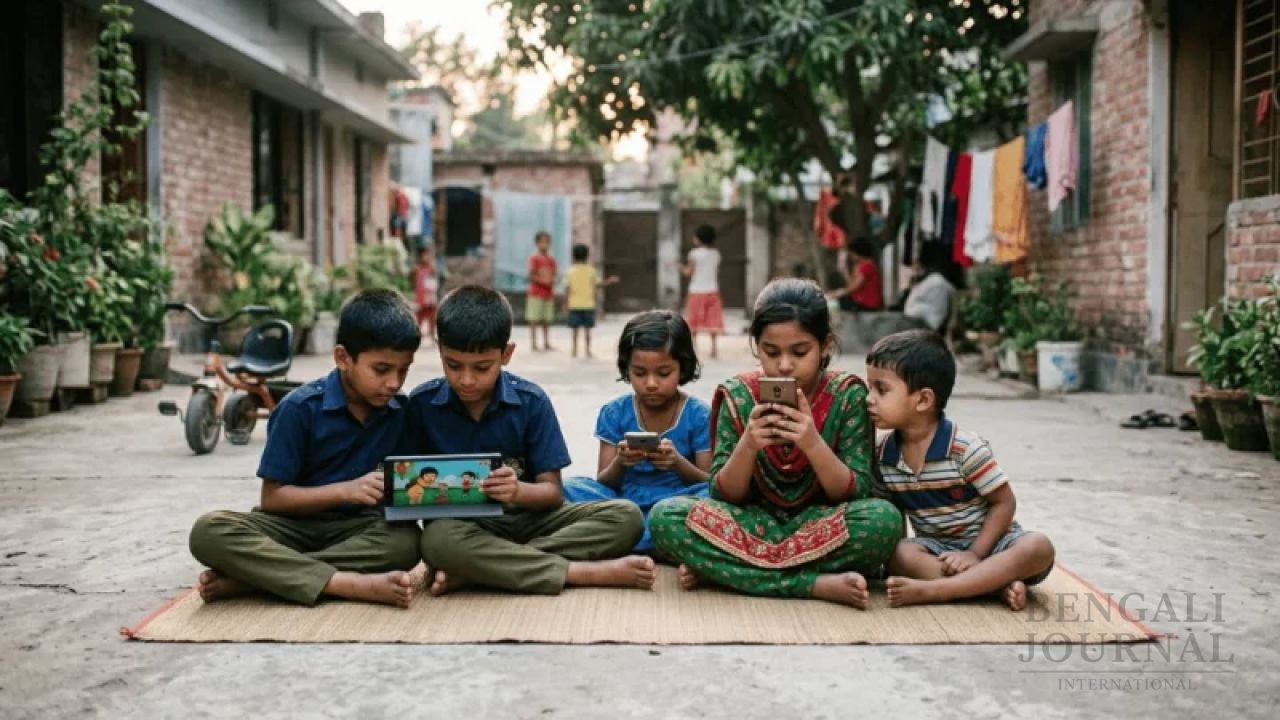
Studty: 60% of Bangladeshi children use screens passively
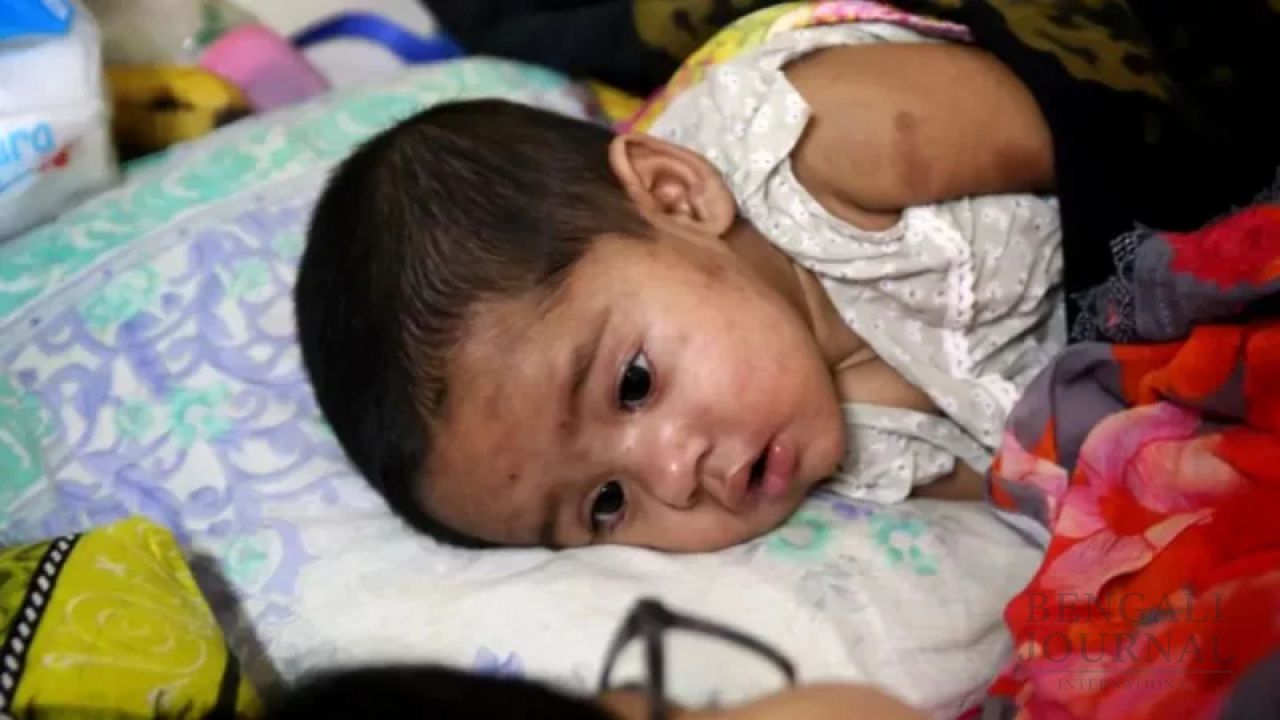
Around 60% of children in a study spent their screen time passively, while only 20% of parents consistently stayed with their children during screen use, according to a study. The study, conducted among 50 children aged three to eight in Dhaka, Chittagong and Tangail, found that the type of content and level of active engagement were more important to children’s speech and language development than the amount of time they spent on screens. Titled “Effect of using screen time in developing children's speech and language: Bangladesh context,” the study was conducted as part of an MPhil research project by Md Zahid Hossain Khan of the Department of Communication Disorders of Dhaka University under the supervision of Professor Dr Hakim Arif. The mixed-method study involved 50 children and an equal number of parents and caregivers. Alongside a survey, each child was directly observed for 30 minutes while using a screen. The study found that 40% of the children spent three to four hours a day on screens, while another 20% spent more than four hours. Mobile phones were the most commonly used digital devices, with 90% of the children using them, followed by televisions at 70% and tablets at 50%. About 80% of the children primarily watched cartoons and entertainment programs. Researchers found notable differences between children who used educational and interactive content and those who mainly watched cartoons or YouTube videos. Children aged three to five who used educational and interactive apps repeated new words, asked questions and showed improvement in sentence formation during observation. In contrast, children who mainly watched cartoons or YouTube videos showed less tendency to communicate. Some responded by crying or showing stubborn behavior when asked to stop watching. Children aged six to eight talked more about the content they watched, but their sentence structures were comparatively weak, the study found. The research also highlighted gaps in parental involvement. Only 20% of parents consistently stayed beside their children during screen use, while just 30% were actively involved in regulating their children’s screen time. Half of the surveyed parents believed excessive screen use negatively affected language development, while 60% said they believed their children’s vocabulary had declined. At the same time, 60% believed screen time could support language learning when used appropriately. “Two-way conversation is a key condition for language learning, while screens can turn communication into a one-way process,” researcher Zahid Hossain Khan said. “If parents sit beside their children and talk about the content, screen time is no longer merely screen time; it becomes part of the learning process,” he added. Professor Saiful Alam Chowdhury of the University of Chittagong said the study recommended setting age-appropriate screen-time limits, developing and promoting quality educational content in Bangla, training parents and teachers, and launching government awareness programs. Professor Dr Hakim Arif, the study supervisor, said screen time had become a major challenge to the healthy development of children in the current generation. “There has been little long-term scientific research on the issue in our society. I believe this research will play an important role in addressing that gap,” he said.
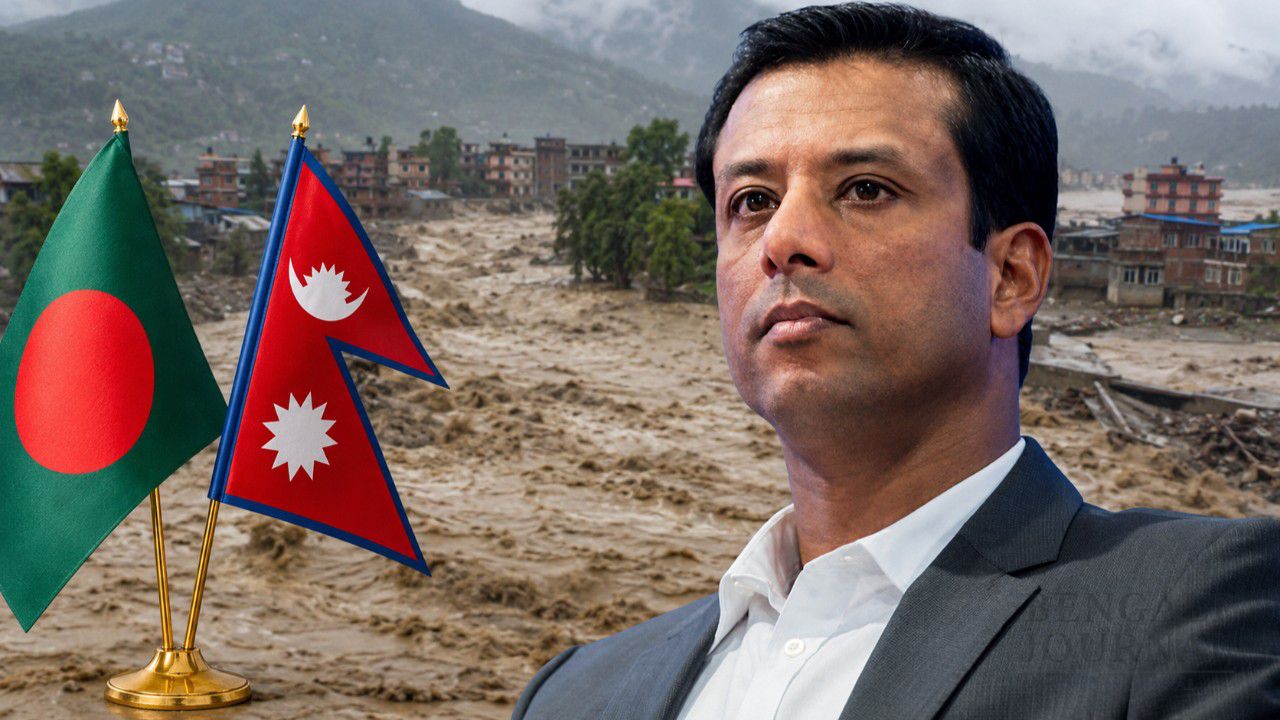
"WE STAND WITH NEPAL!" Sajeeb Wazed Joy Expresses Deep Grief Over Devastating Flash Floods!
ICT expert and former IT Adviser Sajeeb Wazed Joy has expressed profound grief and heartfelt condolences following the devastating flash floods that swept through the northern regions of Nepal, causing tragic loss of lives and widespread infrastructural damage.In a formal statement issued on Friday, the prominent leader reaffirmed the enduring brotherhood between Bangladesh and Nepal, expressing solid solidarity with the Nepalese government and its resilient citizens during this humanitarian crisis.A Message of Deep Sympathy and Global AppealIn his official message, Sajeeb Wazed Joy extended his thoughts to the affected families and paid tribute to the frontline relief teams working under extreme conditions:"The news of the horrific flash floods in Nepal is deeply heartbreaking. I am profoundly saddened by the huge loss of lives and extensive destruction across the northern settlements of the country. To the bereaved families who have lost their loved ones, I offer my deepest condolences."He continued by offering prayers for those still missing, injured, or displaced:"My thoughts and prayers go out to all those families who are anxiously awaiting news of their missing relatives, those who have been injured or displaced, and those who remain at risk. I express my deepest respect for the courage and dedication of the rescue workers, healthcare staff, volunteers, and humanitarian aid personnel working tirelessly to save lives and reach isolated communities despite extreme adversity."South Asian Solidarity & International Call to ActionHighlighting the long-standing, historic bond between the two South Asian nations, Sajeeb Wazed Joy urged the global community to rapidly deploy emergency assistance to Nepal:"Bangladesh and Nepal are two friendly neighbors in South Asia with a long history of warm friendship and cooperation. In this moment of deep sorrow, I stand in solidarity with the people of Nepal and call upon the international community to provide all necessary support for immediate rescue, relief, and rehabilitation efforts."He concluded his message with a powerful pledge of neighborly support:"May the people of Nepal find strength and courage to navigate the difficult days ahead. We, the people of Bangladesh, share your grief and stand shoulder-to-shoulder with you during this tragic time."As international aid agencies begin mobilizing emergency disaster relief, Joy's message highlights the strong regional unity and shared humanitarian responsibilities binding South Asian democracies together.
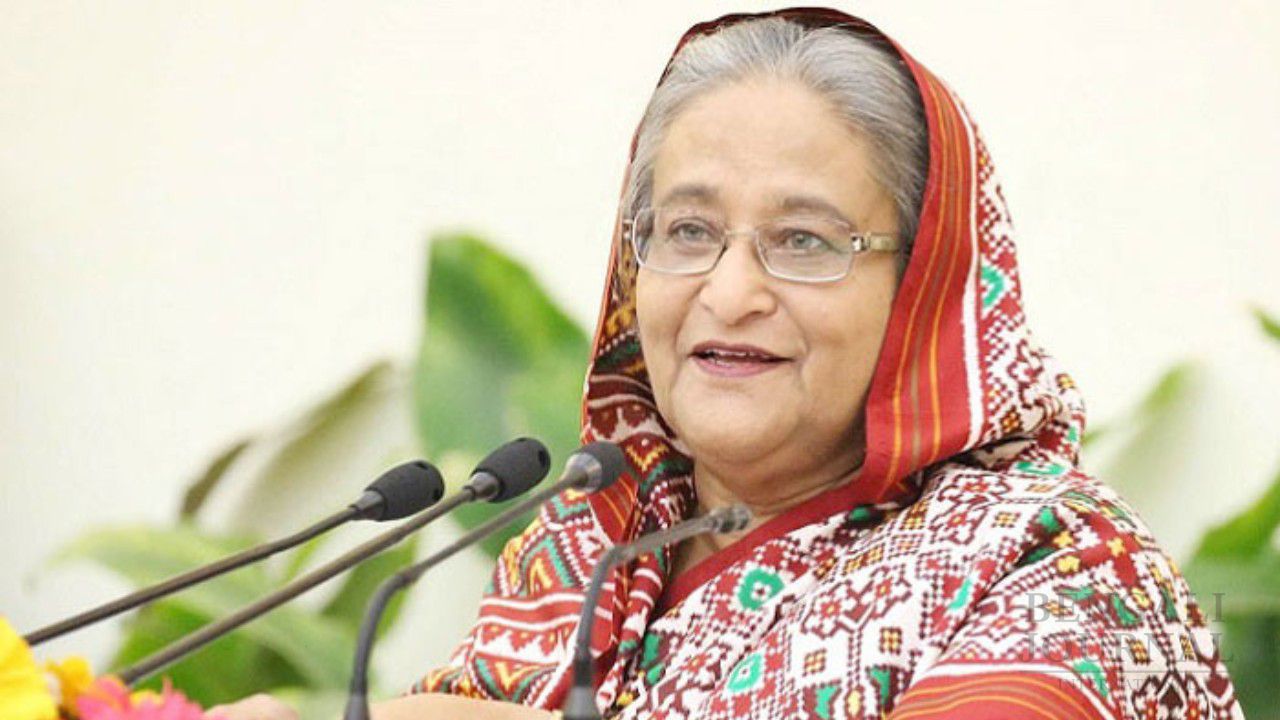
December is our month of victory, so I will go back in December. It is final! -Sheikh Hasina
"December is Our Month of Victory!" — Sheikh Hasina Announces Final Decision for Historic Homecoming in Landmark New Delhi Press Conference!NEW DELHI / DHAKA — In a historic, world-headline address marking exactly two years of her stay in India, Awami League President and former Prime Minister Sheikh Hasina has officially announced her final decision to return to Bangladesh this coming December.Speaking directly to international and South Asian media during a virtual press conference hosted by the Foreign Correspondents' Club (FCC) of South Asia in New Delhi, the veteran leader delivered a resolute and deeply emotional declaration:"December is the month of our victory, so I will go back in December. It is final. My return is not about power; it is about putting Bangladesh back on the track of development, secularism, and prosperity. I know they may put me in jail or kill me, but fear cannot decide my duty to my people."Refusing Personal Safety for National RevivalAddressing questions from journalists globally for the first time since August 5, 2024, Sheikh Hasina reaffirmed that no personal threat, legal hurdle, or political intimidation will keep her away from her countrymen. Recalling her family's ultimate sacrifices in 1975 and her own survival through 19 assassination attempts, she underscored her unbreakable bond with the soil of Bangladesh."I was forced away from my country, but I was never separated from my people," Sheikh Hasina emphasized. "Fear has entered homes, workplaces, and educational campuses across Bangladesh. I want to return because our citizens deserve security, peace, and democratic rights." Key Demands & Strategic BlueprintDuring the high-profile session—joined by Awami League senior leaders and ICT architect Sajeeb Wazed Joy—Sheikh Hasina outlined critical priorities for the nation's democratic restoration:Unconditional Homecoming: Reaffirming that her return will take place directly to Bangladesh without relying on third-party routing.Democratic Restoration: Calling for an immediate lift on the ban against the Awami League, the release of all political prisoners, and the restoration of judicial independence and freedom of speech. International Solidarity: Urging the global community to stand shoulder-to-shoulder with the peace-loving citizens of Bangladesh in their struggle for stability, economic recovery, and constitutional justice.Grassroots Mobilization Across BangladeshThe confirmation of her December return has sent an immense wave of enthusiasm and renewed confidence through millions of Awami League grassroots leaders, workers, and supporters nationwide.As South Asian diplomatic circles and global observers closely analyze the fallout of her historic address, Sheikh Hasina’s decisive proclamation reinforces her enduring role as the central pillar of Bangladesh’s political, economic, and democratic destiny.
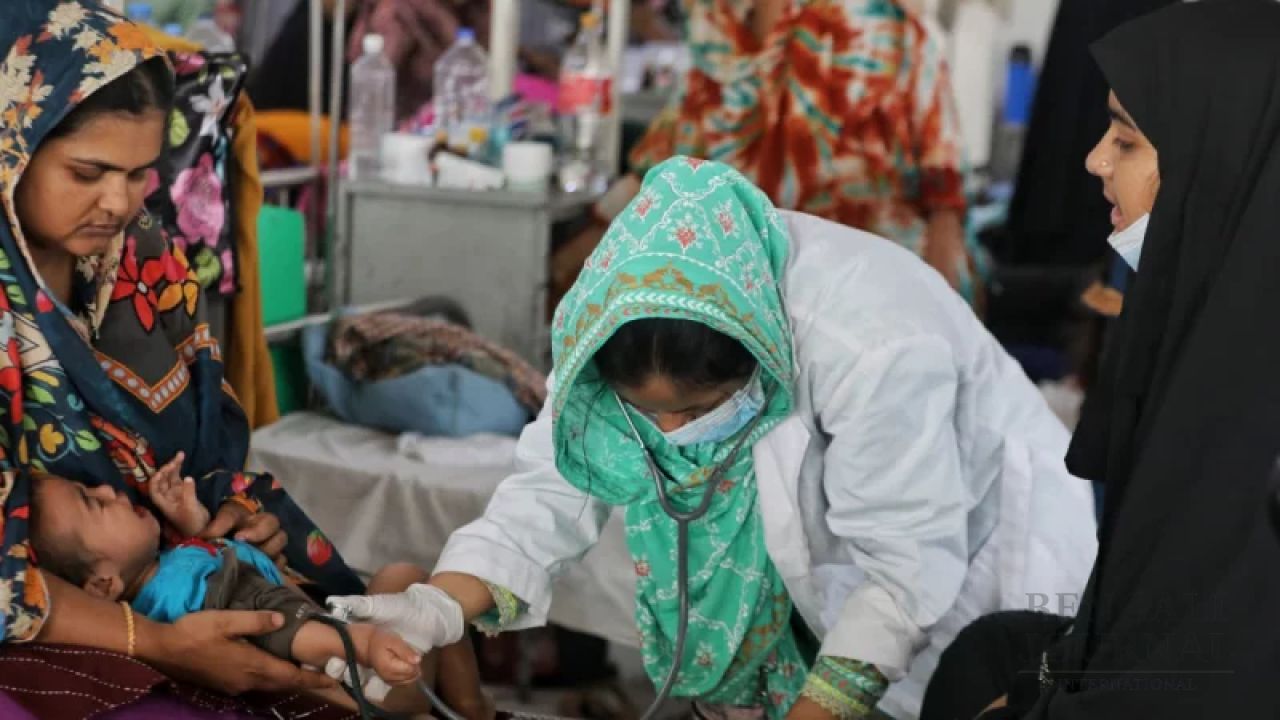

Osman Hadi's wife Rabeya Islam Shampa has applied for a visa to settle in London. The British Embassy confirms!
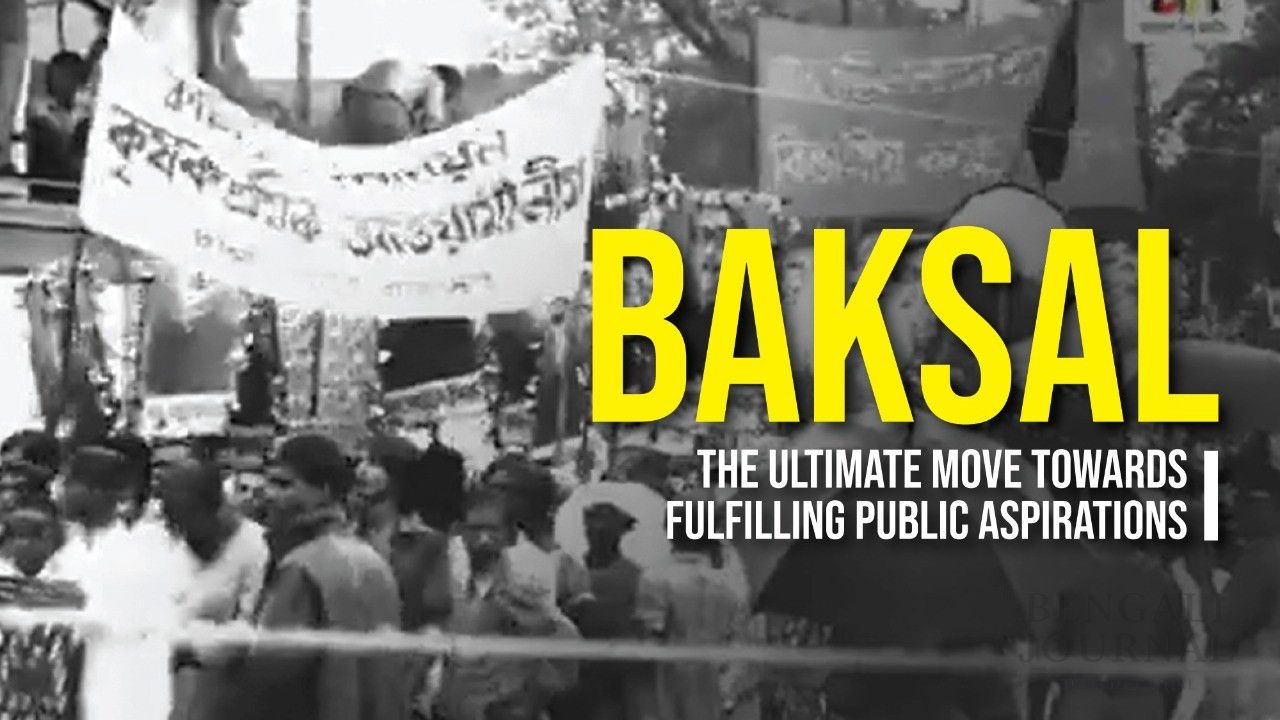
Formation of Baksal: Background, Debate and Reality.

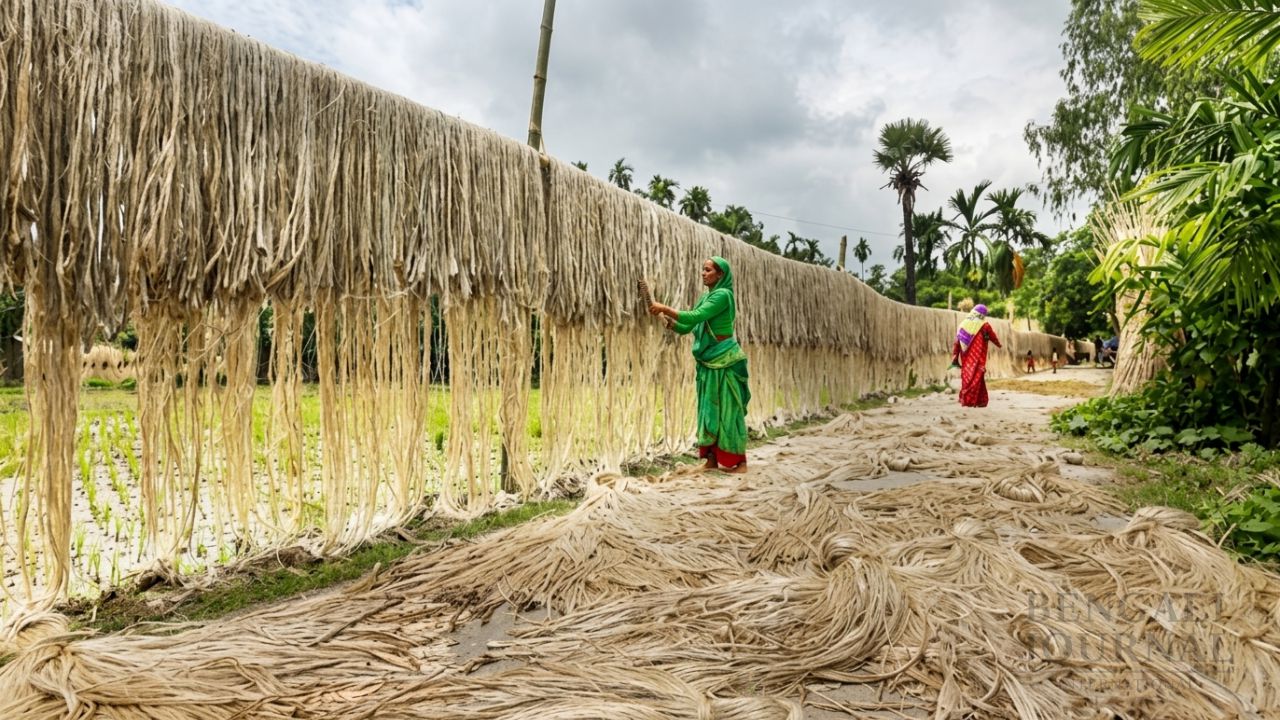
Beware the &ldquoNeo-Colonial&rdquoTrade Trap: How Bangladesh Can Defend Its Economic Sovereignty
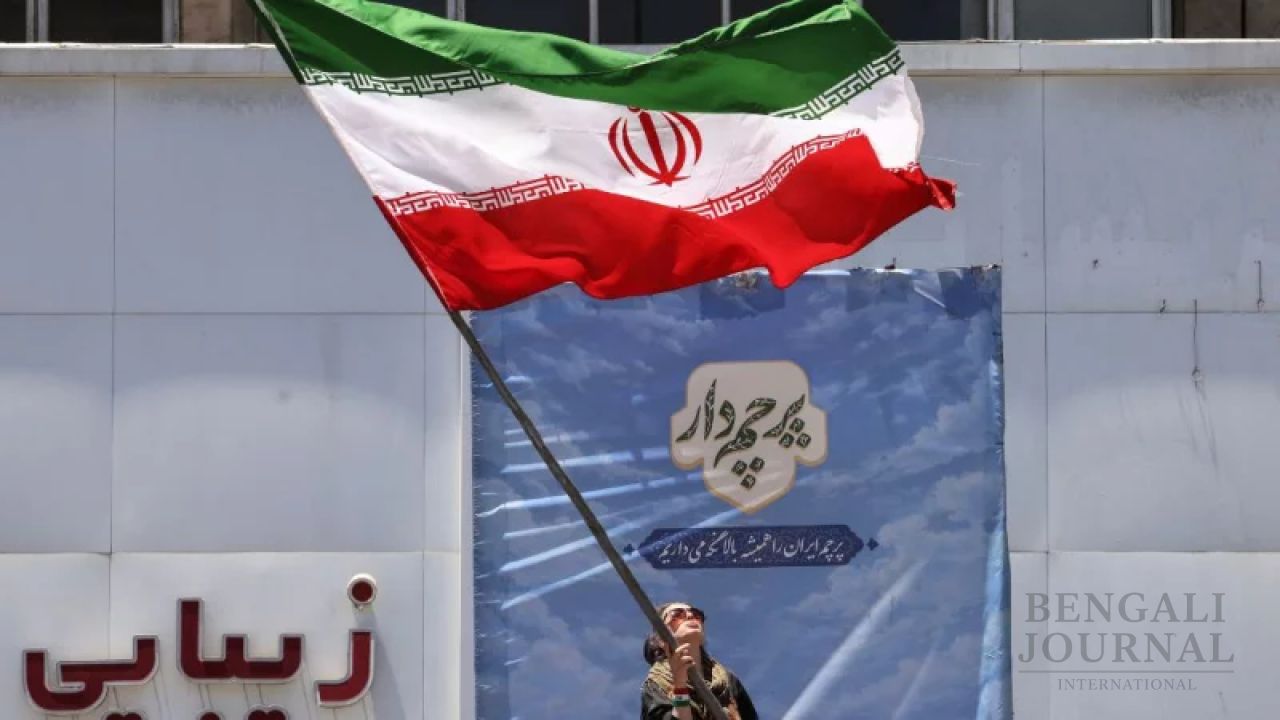
US-Iran deal to be signed in Switzerland on Friday

Awami League President Sheikh Hasina to Deliver a Global Address from New Delhi on August 5
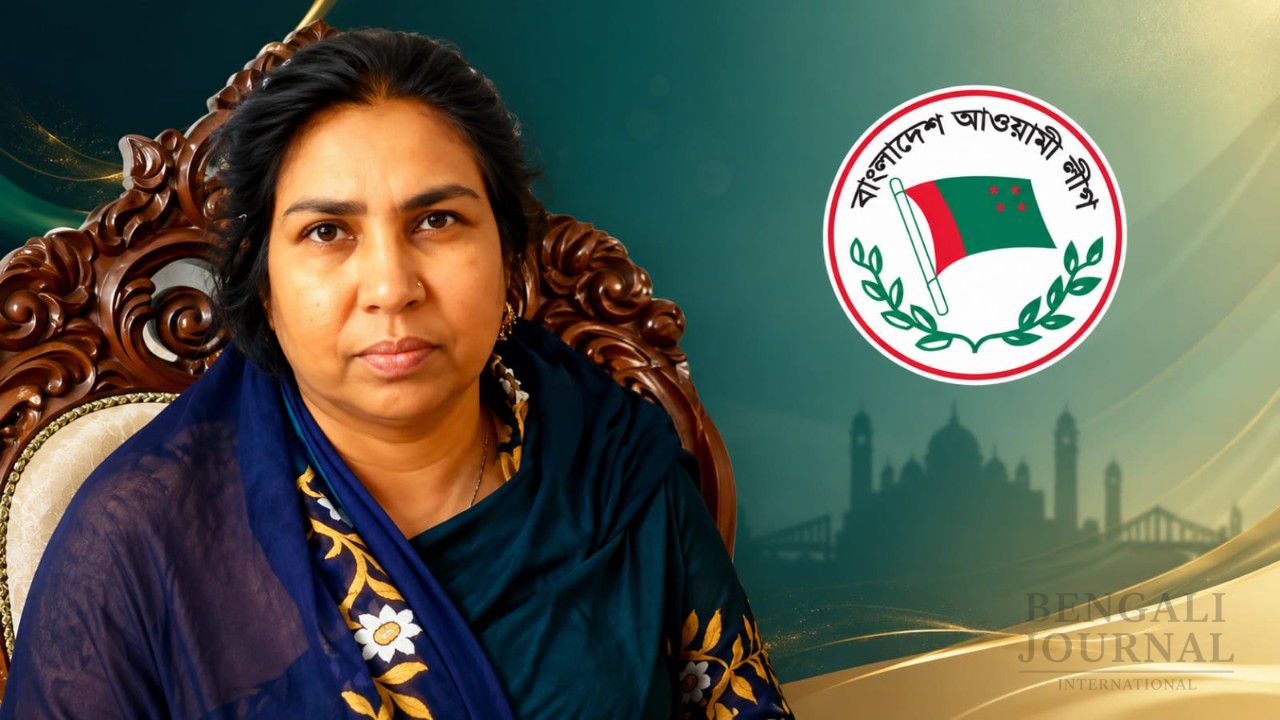
Nilufa, the popular UP chairman of Ratandia, was removed in a false conspiracy for being a supporter of the Awami League.

Awami League's founding anniversary
Formation of Baksal: Background, Debate and Reality.

"WE STAND WITH NEPAL!" Sajeeb Wazed Joy Expresses Deep Grief Over Devastating Flash Floods!
Battle of Generations: Messi and Yamal Face Off as Argentina Meets Spain in the Historic 2026 World Cup Final!

Rebels move to oust Mamata in Trinamool power struggle

Beware the &ldquoNeo-Colonial&rdquoTrade Trap: How Bangladesh Can Defend Its Economic Sovereignty
Awami League President Sheikh Hasina to Deliver a Global Address from New Delhi on August 5
Nilufa, the popular UP chairman of Ratandia, was removed in a false conspiracy for being a supporter of the Awami League.
Awami League's founding anniversary
Formation of Baksal: Background, Debate and Reality.